
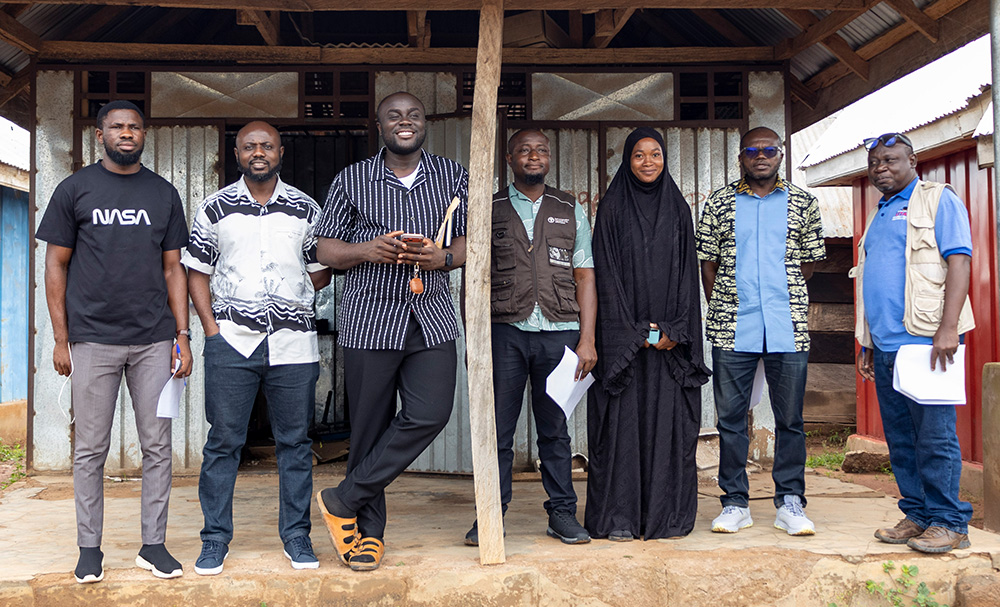
The Kwame Nkrumah University of Science and Technology, Kumasi (KNUST) Nutrition and Sustainable Agri-food Collaborative, in partnership with the Mastercard Foundation through the Nkabom Collaborative, has undertaken a field verification exercise across Ejura and Wenchi to assess the readiness of participants in its Multi-purpose Integrated Programme (MIP) to establish their agribusinesses.
The exercise followed a special business pitching session for programme beneficiaries and involved visits to 24 proposed business sites to evaluate the suitability of facilities and validate participants' business plans before the disbursement of start-up support.

The Entrepreneurship Pillar Lead of the KNUST Nkabom Collaborative, Prof. Wilberforce Achiaw Owusu-Ansah, said the field visits were intended to validate information presented during the business pitching session and provide a clearer understanding of each participant's operational needs before business start-up support is provided.
He said the verification exercise goes beyond assessing infrastructure to identifying mentorship opportunities within the communities where participants will establish their businesses. He added that the Nkabom Collaborative's approach is centred on providing long-term support to help beneficiaries not only establish businesses but also sustain and grow them.
"We believe in wraparound support. It is not just about setting people up, but continuously mentoring them to ensure they succeed and create impact for themselves, their families, their communities, Ghana and Africa as a whole," he said.
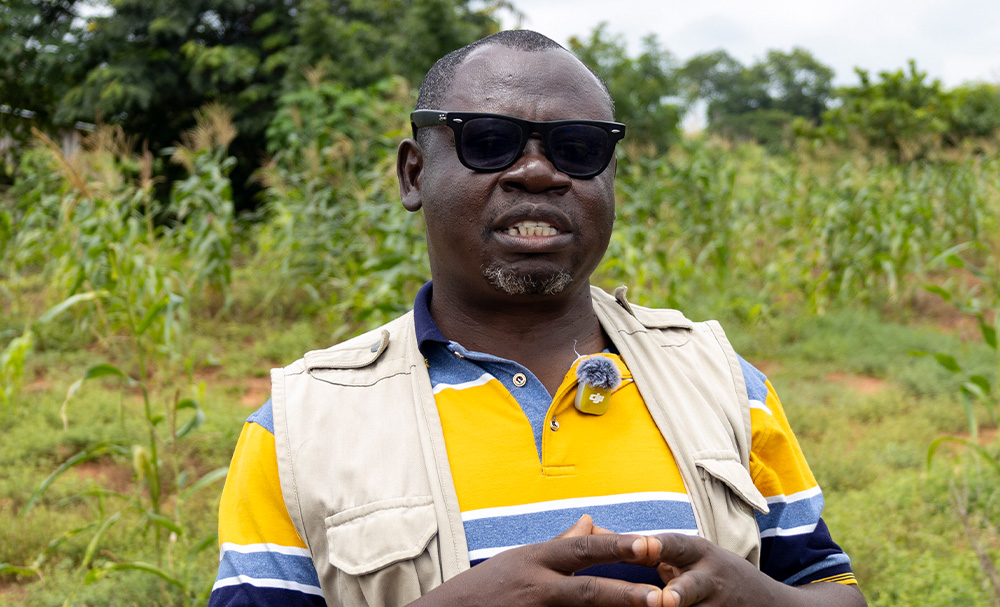
Project team member Prof. Robert Aidoo said the field visits marked an important stage in a structured entrepreneurship development process that began with market analysis and agribusiness management training before progressing to technical production skills, experiential learning and business pitching.
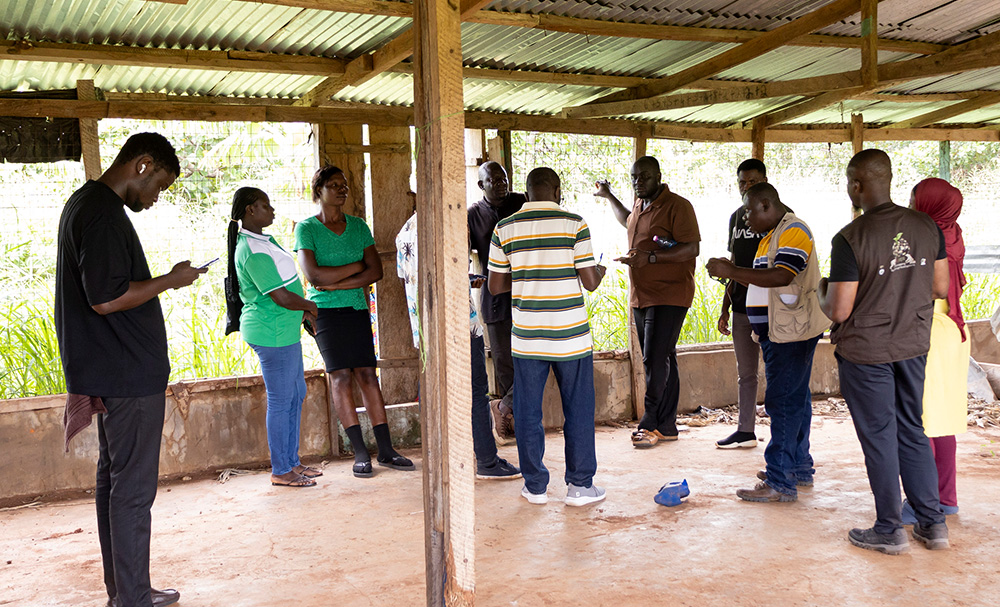
He said the assessment focused on determining whether each proposed site was suitable for the intended enterprise by considering factors such as proximity to markets, environmental suitability and the availability of facilities.
"Our objective is to assess whether the sites participants have selected are suitable for the enterprises they intend to establish. We are looking at issues such as market accessibility, the production environment and the readiness of the facilities," he said.
Prof. Aidoo expressed satisfaction with the team's observations, noting that most participants had secured suitable locations either on family-owned land or through agreements with property owners willing to rent out facilities for their businesses.
"The facilities we have seen are generally very good. They have prepared their sites, some have secured family land, while others have rental arrangements with supportive facility owners. This demonstrates that they are serious and ready to set up a business," he said.


